Buy penisforstoringse.eu ?
We are moving the project
penisforstoringse.eu .
Are you interested in purchasing the domain
penisforstoringse.eu ?
domain@kv-gmbh.de · 0541-91531010
Buy penisforstoringse.eu ?
How do you transform an object clause or a subject clause into a dependent clause (subordinate clause)?
To transform an object clause or a subject clause into a dependent clause, you can add a subordinating conjunction at the beginning of the clause. For example, changing "I know that he is coming" (object clause) to "I know when he is coming" (dependent clause). Another way is to remove the subject or object pronoun and change the verb form to make it dependent on the main clause. For instance, changing "She believes she can win" (subject clause) to "She believes she can win" (dependent clause). **
Is an infinitive clause a subordinate clause?
Yes, an infinitive clause is a type of subordinate clause. It functions as a single unit within a sentence and is dependent on the main clause for its meaning. Infinitive clauses typically begin with the word "to" followed by a verb, and they can serve various purposes such as expressing purpose, result, or obligation. **

Similar search terms for Clause
Top-Angebote
Products related to Clause:
-
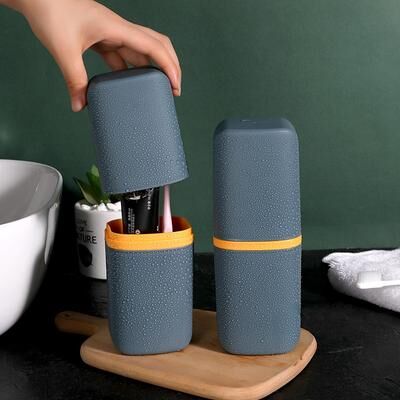
Perfect Picks Market Portable Travel Toothbrush Case & Holder Transparent Organizer Box Portable Travel Toothbrush Case & Holder Transparent Organizer BoxStep into a new level of clean and convenience with this versatile toothbrush travel case designed for everyday life and adventure. Ideal for frequent travelers, commuters, students, and families, this compact organizer keeps your dental essentials...31,97 $*Shipping: 0,00 $Secure redirect to the provider
-
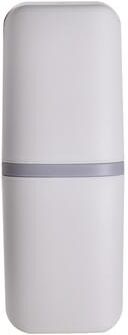
Perfect Picks Market Portable Toothbrush Holder Box Travel Camping Toothbrush Storage Organizer Case With Toothpaste Holder whiteKeep your essentials neat and accessible with the Portable Toothbrush Holder Box. Ideal for frequent travelers and campers, this compact storage case organizes your toothbrush and toothpaste in a secure, hygienic manner. Made from transparent...29,97 $*Shipping: 0,00 $Secure redirect to the provider
-
Useful Little Things Luxury Tissue Box Holder Decorative Napkin Storage Organizer Luxury Tissue Box Holder Decorative Napkin Storage OrganizerAdd a touch of elegance to any room with this Decorative Tissue Box Holder. Designed with a modern electroplated finish, this stylish organizer transforms ordinary tissue storage into a sophisticated home accent. Its sleek rectangular design keeps...49,97 $*Shipping: 0,00 $Secure redirect to the provider
-
Multicon Wholesale Hub Eyewear & Accessory Organizer Glasses Display Case & Watch Storage Box Eyewear & Accessory Organizer Glasses Display Case & Watch Storage BoxTired of hunting for the right pair in a cluttered drawer every morning This elegant 4tier eyeglass organizer brings calm and clarity to your daily routine by neatly housing your favorite pairs in one place. Designed for sunglass and everyday...169,97 $*Shipping: 0,00 $Secure redirect to the provider



-
What are main clause-subordinate clause constructions?
Main clause-subordinate clause constructions are sentences that consist of a main clause and one or more subordinate clauses. The main clause is a complete sentence that can stand alone, while the subordinate clause depends on the main clause for its meaning and cannot stand alone. Subordinate clauses often begin with subordinating conjunctions such as "because," "although," "if," or "when," and they provide additional information or context to the main clause. These constructions allow for more complex and nuanced sentence structures, and they are commonly used in both spoken and written language. **
-
Can an adverbial clause also be a subject clause or an object clause?
No, an adverbial clause cannot be a subject clause or an object clause. An adverbial clause functions as an adverb to modify a verb, adjective, or adverb in a sentence. Subject clauses and object clauses, on the other hand, serve as the subject or object of the main clause, respectively. Each type of clause has a specific grammatical function within a sentence. **
-
Is the main clause and subordinate clause correct?
To determine if the main clause and subordinate clause are correct, you need to ensure that they are grammatically sound and that they make sense when combined. The main clause should be able to stand alone as a complete sentence, while the subordinate clause provides additional information but cannot stand alone. Checking for subject-verb agreement and proper punctuation between the two clauses can help confirm their correctness. **
-
How do I recognize a relative clause, a conjunctional clause, and an interrogative clause?
A relative clause typically starts with a relative pronoun (such as who, whom, whose, which, or that) and provides more information about a noun in the main clause. A conjunctional clause, on the other hand, is introduced by a conjunction (such as and, but, or because) and connects two independent clauses. An interrogative clause is a type of clause that asks a question and is typically introduced by an interrogative pronoun (such as who, what, when, where, why, or how) or an interrogative adverb (such as how, when, or where). **

How can I recognize a relative clause, a conjunctional clause, and an interrogative clause?
A relative clause is a type of dependent clause that typically starts with a relative pronoun (such as who, whom, whose, which, or that) and provides additional information about a noun in the main clause. A conjunctional clause, on the other hand, is a dependent clause that functions as an adverb, adjective, or noun in a sentence and is connected to the main clause by a conjunction (such as because, although, if, when, etc.). An interrogative clause is a type of clause that asks a question and typically begins with a question word (such as who, what, where, when, why, or how) or with a helping verb followed by the subject. **
What is the main clause, subordinate clause 1st degree, and subordinate clause 2nd degree?
The main clause is the independent clause that contains the main idea of the sentence. It can stand alone as a complete sentence. The subordinate clause 1st degree is a clause that depends on the main clause for its meaning and cannot stand alone as a complete sentence. The subordinate clause 2nd degree is a clause that depends on the subordinate clause 1st degree for its meaning and cannot stand alone as a complete sentence. **
Top-Angebote
Products related to Clause:
-
Uplift Picks Transparent Toothbrush Case Portable Toothbrush Holder Storage Container Transparent Toothbrush Case Portable Toothbrush Holder Storage ContainerKeeping your oral care essentials clean and organized shouldnt be complicated. This toothbrush case offers a simple, hygienic way to store your toothbrush and toothpaste at home or on the go. Designed with a clear body, it lets you see contents at a...24,50 $*Shipping: 0,00 $Secure redirect to the provider
-
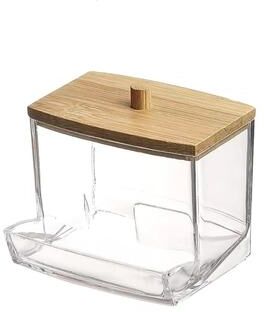
Inspire Essentials Clear Cotton Swab Organizer Box Dental Floss Storage Case Dustproof Container transparent 1pcSmall items can quickly create big clutter. This sleek cotton swab organizer box keeps your everyday essentials clean, visible, and easy to access. Designed for modern homes, it protects items from dust and moisture while maintaining a clean and...34,98 $*Shipping: 0,00 $Secure redirect to the provider
-
Perfect Picks Market Portable Travel Toothbrush Case & Holder Transparent Organizer Box Portable Travel Toothbrush Case & Holder Transparent Organizer BoxStep into a new level of clean and convenience with this versatile toothbrush travel case designed for everyday life and adventure. Ideal for frequent travelers, commuters, students, and families, this compact organizer keeps your dental essentials...31,97 $*Shipping: 0,00 $Secure redirect to the provider
-
Perfect Picks Market Portable Toothbrush Holder Box Travel Camping Toothbrush Storage Organizer Case With Toothpaste Holder whiteKeep your essentials neat and accessible with the Portable Toothbrush Holder Box. Ideal for frequent travelers and campers, this compact storage case organizes your toothbrush and toothpaste in a secure, hygienic manner. Made from transparent...29,97 $*Shipping: 0,00 $Secure redirect to the provider
-
How do you transform an object clause or a subject clause into a dependent clause (subordinate clause)?
To transform an object clause or a subject clause into a dependent clause, you can add a subordinating conjunction at the beginning of the clause. For example, changing "I know that he is coming" (object clause) to "I know when he is coming" (dependent clause). Another way is to remove the subject or object pronoun and change the verb form to make it dependent on the main clause. For instance, changing "She believes she can win" (subject clause) to "She believes she can win" (dependent clause). **
-
Is an infinitive clause a subordinate clause?
Yes, an infinitive clause is a type of subordinate clause. It functions as a single unit within a sentence and is dependent on the main clause for its meaning. Infinitive clauses typically begin with the word "to" followed by a verb, and they can serve various purposes such as expressing purpose, result, or obligation. **
-
What are main clause-subordinate clause constructions?
Main clause-subordinate clause constructions are sentences that consist of a main clause and one or more subordinate clauses. The main clause is a complete sentence that can stand alone, while the subordinate clause depends on the main clause for its meaning and cannot stand alone. Subordinate clauses often begin with subordinating conjunctions such as "because," "although," "if," or "when," and they provide additional information or context to the main clause. These constructions allow for more complex and nuanced sentence structures, and they are commonly used in both spoken and written language. **
-
Can an adverbial clause also be a subject clause or an object clause?
No, an adverbial clause cannot be a subject clause or an object clause. An adverbial clause functions as an adverb to modify a verb, adjective, or adverb in a sentence. Subject clauses and object clauses, on the other hand, serve as the subject or object of the main clause, respectively. Each type of clause has a specific grammatical function within a sentence. **
Similar search terms for Clause
-
Useful Little Things Luxury Tissue Box Holder Decorative Napkin Storage Organizer Luxury Tissue Box Holder Decorative Napkin Storage OrganizerAdd a touch of elegance to any room with this Decorative Tissue Box Holder. Designed with a modern electroplated finish, this stylish organizer transforms ordinary tissue storage into a sophisticated home accent. Its sleek rectangular design keeps...49,97 $*Shipping: 0,00 $Secure redirect to the provider
-
Multicon Wholesale Hub Eyewear & Accessory Organizer Glasses Display Case & Watch Storage Box Eyewear & Accessory Organizer Glasses Display Case & Watch Storage BoxTired of hunting for the right pair in a cluttered drawer every morning This elegant 4tier eyeglass organizer brings calm and clarity to your daily routine by neatly housing your favorite pairs in one place. Designed for sunglass and everyday...169,97 $*Shipping: 0,00 $Secure redirect to the provider
-
Drop Dash Deals Premium Watch Organizer Box Travel Ready Watch Storage Case & Watch Display Case Premium Watch Organizer Box Travel Ready Watch Storage Case & Watch Display CaseTurn cluttered drawers into a polished showcase with this 1 pc of premium watch storage case for collectors and everyday wearers alike. Designed to hold up to 15 of your favorite timepieces securely, this stylish and durable watch display case...139,97 $*Shipping: 0,00 $Secure redirect to the provider
-
Perfect Picks Market Portable Toothbrush Holder Box Travel Camping Toothbrush Storage Organizer Case With Toothpaste Holder pinkKeep your essentials neat and accessible with the Portable Toothbrush Holder Box. Ideal for frequent travelers and campers, this compact storage case organizes your toothbrush and toothpaste in a secure, hygienic manner. Made from transparent...29,97 $*Shipping: 0,00 $Secure redirect to the provider
-
Is the main clause and subordinate clause correct?
To determine if the main clause and subordinate clause are correct, you need to ensure that they are grammatically sound and that they make sense when combined. The main clause should be able to stand alone as a complete sentence, while the subordinate clause provides additional information but cannot stand alone. Checking for subject-verb agreement and proper punctuation between the two clauses can help confirm their correctness. **
-
How do I recognize a relative clause, a conjunctional clause, and an interrogative clause?
A relative clause typically starts with a relative pronoun (such as who, whom, whose, which, or that) and provides more information about a noun in the main clause. A conjunctional clause, on the other hand, is introduced by a conjunction (such as and, but, or because) and connects two independent clauses. An interrogative clause is a type of clause that asks a question and is typically introduced by an interrogative pronoun (such as who, what, when, where, why, or how) or an interrogative adverb (such as how, when, or where). **
-
How can I recognize a relative clause, a conjunctional clause, and an interrogative clause?
A relative clause is a type of dependent clause that typically starts with a relative pronoun (such as who, whom, whose, which, or that) and provides additional information about a noun in the main clause. A conjunctional clause, on the other hand, is a dependent clause that functions as an adverb, adjective, or noun in a sentence and is connected to the main clause by a conjunction (such as because, although, if, when, etc.). An interrogative clause is a type of clause that asks a question and typically begins with a question word (such as who, what, where, when, why, or how) or with a helping verb followed by the subject. **
-
What is the main clause, subordinate clause 1st degree, and subordinate clause 2nd degree?
The main clause is the independent clause that contains the main idea of the sentence. It can stand alone as a complete sentence. The subordinate clause 1st degree is a clause that depends on the main clause for its meaning and cannot stand alone as a complete sentence. The subordinate clause 2nd degree is a clause that depends on the subordinate clause 1st degree for its meaning and cannot stand alone as a complete sentence. **
* All prices are inclusive of VAT and, if applicable, plus shipping costs. The offer information is based on the details provided by the respective shop and is updated through automated processes. Real-time updates do not occur, so deviations can occur in individual cases. ** Note: Parts of this content were created by AI.