Buy penisforstoringse.eu ?
We are moving the project
penisforstoringse.eu .
Are you interested in purchasing the domain
penisforstoringse.eu ?
domain@kv-gmbh.de · 0541-91531010
Buy penisforstoringse.eu ?
Are wages liabilities?
Yes, wages are considered liabilities for a company because they represent an obligation to pay employees for their work. From an accounting perspective, wages are typically recorded as a liability on the company's balance sheet until they are paid to the employees. This reflects the company's obligation to fulfill its financial commitments to its employees. Therefore, wages are classified as a liability until they are settled. **
Why do the liabilities decrease in this business case?
The liabilities decrease in this business case because the company has paid off a portion of its outstanding debts. This could be due to the company making regular payments on its loans or settling some of its accounts payable. As a result, the overall amount of money the company owes to its creditors has decreased, leading to a decrease in its liabilities. This can be a positive sign for the company's financial health and can improve its overall financial position. **


Similar search terms for Liabilities
Top-Angebote
Products related to Liabilities:
-
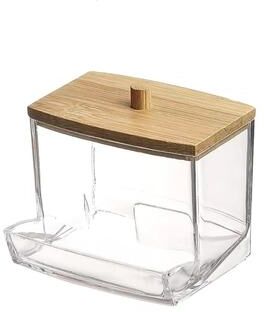
Inspire Essentials Clear Cotton Swab Organizer Box Dental Floss Storage Case Dustproof Container transparent 1pcSmall items can quickly create big clutter. This sleek cotton swab organizer box keeps your everyday essentials clean, visible, and easy to access. Designed for modern homes, it protects items from dust and moisture while maintaining a clean and...34,98 $*Shipping: 0,00 $Secure redirect to the provider
-
Perfect Picks Market Portable Toothbrush Holder Box Travel Camping Toothbrush Storage Organizer Case With Toothpaste Holder pinkKeep your essentials neat and accessible with the Portable Toothbrush Holder Box. Ideal for frequent travelers and campers, this compact storage case organizes your toothbrush and toothpaste in a secure, hygienic manner. Made from transparent...29,97 $*Shipping: 0,00 $Secure redirect to the provider
-
Useful Little Things Luxury Tissue Box Holder Decorative Napkin Storage Organizer Luxury Tissue Box Holder Decorative Napkin Storage OrganizerAdd a touch of elegance to any room with this Decorative Tissue Box Holder. Designed with a modern electroplated finish, this stylish organizer transforms ordinary tissue storage into a sophisticated home accent. Its sleek rectangular design keeps...49,97 $*Shipping: 0,00 $Secure redirect to the provider
-
Multicon Wholesale Hub Eyewear & Accessory Organizer Glasses Display Case & Watch Storage Box Eyewear & Accessory Organizer Glasses Display Case & Watch Storage BoxTired of hunting for the right pair in a cluttered drawer every morning This elegant 4tier eyeglass organizer brings calm and clarity to your daily routine by neatly housing your favorite pairs in one place. Designed for sunglass and everyday...169,97 $*Shipping: 0,00 $Secure redirect to the provider



-
What are liabilities and receivables?
Liabilities are obligations or debts that a company owes to external parties, such as loans, accounts payable, or accrued expenses. They represent the company's financial responsibilities that must be settled in the future. Receivables, on the other hand, are amounts owed to a company by its customers or other parties for goods or services provided. They represent the company's right to receive payment and are considered assets on the company's balance sheet. Both liabilities and receivables are important components of a company's financial position and are crucial for assessing its overall financial health. **
-
Why is equity on the liabilities side?
Equity is placed on the liabilities side of the balance sheet because it represents the claims of the company's owners or shareholders on the company's assets. It is considered a liability because the company has an obligation to its owners to repay their investment in the business. However, unlike other liabilities, equity does not have a fixed repayment schedule and is considered a residual claim, meaning it is only paid out after all other liabilities have been settled. Therefore, equity is categorized as a liability on the balance sheet to accurately reflect the financial obligations of the company. **
-
What are transitory assets and/or liabilities?
Transitory assets and/or liabilities are items on a company's balance sheet that are expected to be settled or used up within a relatively short period of time, typically within one year. These items are considered to be temporary in nature and are not expected to have a long-term impact on the company's financial position. Examples of transitory assets include cash, accounts receivable, and inventory, while examples of transitory liabilities include accounts payable and short-term debt. It is important for investors and analysts to understand the nature of these transitory items when evaluating a company's financial health and performance. **
-
How are the assets and liabilities evaluated?
Assets and liabilities are evaluated based on their current market value or book value. For assets, this means determining their fair market value, which is the price that they could be sold for in the current market. Liabilities are evaluated based on their current outstanding balance or the amount that is owed. This evaluation helps to determine the financial health and position of a company, as well as its ability to meet its financial obligations. **


How can accounting, liabilities, and receivables be interconnected?
Accounting, liabilities, and receivables are interconnected in the sense that they all play a role in a company's financial health. Liabilities are debts or obligations that a company owes, which are recorded on the balance sheet as part of the accounting process. Receivables, on the other hand, represent money owed to the company by its customers or clients, and are also recorded on the balance sheet as assets. The relationship between these two is that receivables can eventually become liabilities if they are not collected in a timely manner, which can impact the company's financial position. Therefore, proper accounting practices are essential to accurately track and manage both liabilities and receivables to ensure the company's financial stability. **
What is a statement of assets and liabilities?
A statement of assets and liabilities is a financial document that provides a snapshot of an individual's or organization's financial position at a specific point in time. It lists all the assets, such as cash, investments, property, and equipment, as well as all the liabilities, such as loans, mortgages, and other debts. The statement helps to assess the overall financial health and solvency of the entity by comparing the total assets to the total liabilities. It is an essential tool for financial planning, decision-making, and assessing the ability to meet financial obligations. **
Top-Angebote
Products related to Liabilities:
-
Uplift Picks Transparent Toothbrush Case Portable Toothbrush Holder Storage Container Transparent Toothbrush Case Portable Toothbrush Holder Storage ContainerKeeping your oral care essentials clean and organized shouldnt be complicated. This toothbrush case offers a simple, hygienic way to store your toothbrush and toothpaste at home or on the go. Designed with a clear body, it lets you see contents at a...24,50 $*Shipping: 0,00 $Secure redirect to the provider
-
Perfect Picks Market Portable Travel Toothbrush Case & Holder Transparent Organizer Box Portable Travel Toothbrush Case & Holder Transparent Organizer BoxStep into a new level of clean and convenience with this versatile toothbrush travel case designed for everyday life and adventure. Ideal for frequent travelers, commuters, students, and families, this compact organizer keeps your dental essentials...31,97 $*Shipping: 0,00 $Secure redirect to the provider
-
Inspire Essentials Clear Cotton Swab Organizer Box Dental Floss Storage Case Dustproof Container transparent 1pcSmall items can quickly create big clutter. This sleek cotton swab organizer box keeps your everyday essentials clean, visible, and easy to access. Designed for modern homes, it protects items from dust and moisture while maintaining a clean and...34,98 $*Shipping: 0,00 $Secure redirect to the provider
-
Perfect Picks Market Portable Toothbrush Holder Box Travel Camping Toothbrush Storage Organizer Case With Toothpaste Holder pinkKeep your essentials neat and accessible with the Portable Toothbrush Holder Box. Ideal for frequent travelers and campers, this compact storage case organizes your toothbrush and toothpaste in a secure, hygienic manner. Made from transparent...29,97 $*Shipping: 0,00 $Secure redirect to the provider
-
Are wages liabilities?
Yes, wages are considered liabilities for a company because they represent an obligation to pay employees for their work. From an accounting perspective, wages are typically recorded as a liability on the company's balance sheet until they are paid to the employees. This reflects the company's obligation to fulfill its financial commitments to its employees. Therefore, wages are classified as a liability until they are settled. **
-
Why do the liabilities decrease in this business case?
The liabilities decrease in this business case because the company has paid off a portion of its outstanding debts. This could be due to the company making regular payments on its loans or settling some of its accounts payable. As a result, the overall amount of money the company owes to its creditors has decreased, leading to a decrease in its liabilities. This can be a positive sign for the company's financial health and can improve its overall financial position. **
-
What are liabilities and receivables?
Liabilities are obligations or debts that a company owes to external parties, such as loans, accounts payable, or accrued expenses. They represent the company's financial responsibilities that must be settled in the future. Receivables, on the other hand, are amounts owed to a company by its customers or other parties for goods or services provided. They represent the company's right to receive payment and are considered assets on the company's balance sheet. Both liabilities and receivables are important components of a company's financial position and are crucial for assessing its overall financial health. **
-
Why is equity on the liabilities side?
Equity is placed on the liabilities side of the balance sheet because it represents the claims of the company's owners or shareholders on the company's assets. It is considered a liability because the company has an obligation to its owners to repay their investment in the business. However, unlike other liabilities, equity does not have a fixed repayment schedule and is considered a residual claim, meaning it is only paid out after all other liabilities have been settled. Therefore, equity is categorized as a liability on the balance sheet to accurately reflect the financial obligations of the company. **
Similar search terms for Liabilities
-
Useful Little Things Luxury Tissue Box Holder Decorative Napkin Storage Organizer Luxury Tissue Box Holder Decorative Napkin Storage OrganizerAdd a touch of elegance to any room with this Decorative Tissue Box Holder. Designed with a modern electroplated finish, this stylish organizer transforms ordinary tissue storage into a sophisticated home accent. Its sleek rectangular design keeps...49,97 $*Shipping: 0,00 $Secure redirect to the provider
-
Multicon Wholesale Hub Eyewear & Accessory Organizer Glasses Display Case & Watch Storage Box Eyewear & Accessory Organizer Glasses Display Case & Watch Storage BoxTired of hunting for the right pair in a cluttered drawer every morning This elegant 4tier eyeglass organizer brings calm and clarity to your daily routine by neatly housing your favorite pairs in one place. Designed for sunglass and everyday...169,97 $*Shipping: 0,00 $Secure redirect to the provider
-
Inspired Deals Foldable Wine Glass Storage Box, Stemmed Glass Storage Organizer Grey Protective Case Foldable Wine Glass Storage Box, Stemmed Glass Storage Organizer Grey Protective CaseYour delicate glassware deserves more than a random cupboard shelf or flimsy cardboard box. The Foldable Wine Glass Storage Box is designed to bring order, protection, and peace of mind to your home storage routine. Ideal for homeowners, holiday...139,97 $*Shipping: 0,00 $Secure redirect to the provider
-
Perfect Picks Market Portable Toothbrush Holder Box Travel Camping Toothbrush Storage Organizer Case With Toothpaste Holder greenKeep your essentials neat and accessible with the Portable Toothbrush Holder Box. Ideal for frequent travelers and campers, this compact storage case organizes your toothbrush and toothpaste in a secure, hygienic manner. Made from transparent...29,97 $*Shipping: 0,00 $Secure redirect to the provider
-
What are transitory assets and/or liabilities?
Transitory assets and/or liabilities are items on a company's balance sheet that are expected to be settled or used up within a relatively short period of time, typically within one year. These items are considered to be temporary in nature and are not expected to have a long-term impact on the company's financial position. Examples of transitory assets include cash, accounts receivable, and inventory, while examples of transitory liabilities include accounts payable and short-term debt. It is important for investors and analysts to understand the nature of these transitory items when evaluating a company's financial health and performance. **
-
How are the assets and liabilities evaluated?
Assets and liabilities are evaluated based on their current market value or book value. For assets, this means determining their fair market value, which is the price that they could be sold for in the current market. Liabilities are evaluated based on their current outstanding balance or the amount that is owed. This evaluation helps to determine the financial health and position of a company, as well as its ability to meet its financial obligations. **
-
How can accounting, liabilities, and receivables be interconnected?
Accounting, liabilities, and receivables are interconnected in the sense that they all play a role in a company's financial health. Liabilities are debts or obligations that a company owes, which are recorded on the balance sheet as part of the accounting process. Receivables, on the other hand, represent money owed to the company by its customers or clients, and are also recorded on the balance sheet as assets. The relationship between these two is that receivables can eventually become liabilities if they are not collected in a timely manner, which can impact the company's financial position. Therefore, proper accounting practices are essential to accurately track and manage both liabilities and receivables to ensure the company's financial stability. **
-
What is a statement of assets and liabilities?
A statement of assets and liabilities is a financial document that provides a snapshot of an individual's or organization's financial position at a specific point in time. It lists all the assets, such as cash, investments, property, and equipment, as well as all the liabilities, such as loans, mortgages, and other debts. The statement helps to assess the overall financial health and solvency of the entity by comparing the total assets to the total liabilities. It is an essential tool for financial planning, decision-making, and assessing the ability to meet financial obligations. **
* All prices are inclusive of VAT and, if applicable, plus shipping costs. The offer information is based on the details provided by the respective shop and is updated through automated processes. Real-time updates do not occur, so deviations can occur in individual cases. ** Note: Parts of this content were created by AI.