Buy penisforstoringse.eu ?
We are moving the project
penisforstoringse.eu .
Are you interested in purchasing the domain
penisforstoringse.eu ?
domain@kv-gmbh.de · 0541-91531010
Buy penisforstoringse.eu ?
What does food habitat mean?
Food habitat refers to the specific environment or area where an organism can find the food it needs to survive and thrive. It includes the types of food available, the accessibility of the food source, and the interactions between different species competing for the same resources. Understanding the food habitat of an organism is crucial for conservation efforts and ecosystem management, as it helps in predicting how changes in food availability can impact the population dynamics of species. **
What habitat is the sandy seabed?
The sandy seabed is a habitat found in shallow coastal waters and the deep ocean. It is characterized by a bottom covered in sand particles, with little to no vegetation or coral reefs. This habitat is home to a variety of marine organisms such as sand dollars, flatfish, and certain species of sharks and rays. The sandy seabed provides a substrate for burrowing animals and is an important feeding ground for many species of fish. **


Similar search terms for Habitat
Top-Angebote
Products related to Habitat:
-
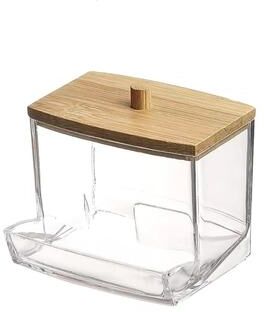
Inspire Essentials Clear Cotton Swab Organizer Box Dental Floss Storage Case Dustproof Container transparent 1pcSmall items can quickly create big clutter. This sleek cotton swab organizer box keeps your everyday essentials clean, visible, and easy to access. Designed for modern homes, it protects items from dust and moisture while maintaining a clean and...34,98 $*Shipping: 0,00 $Secure redirect to the provider
-
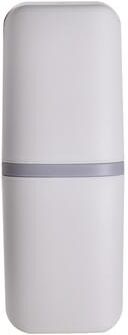
Perfect Picks Market Portable Toothbrush Holder Box Travel Camping Toothbrush Storage Organizer Case With Toothpaste Holder whiteKeep your essentials neat and accessible with the Portable Toothbrush Holder Box. Ideal for frequent travelers and campers, this compact storage case organizes your toothbrush and toothpaste in a secure, hygienic manner. Made from transparent...29,97 $*Shipping: 0,00 $Secure redirect to the provider
-
Useful Little Things Luxury Tissue Box Holder Decorative Napkin Storage Organizer Luxury Tissue Box Holder Decorative Napkin Storage OrganizerAdd a touch of elegance to any room with this Decorative Tissue Box Holder. Designed with a modern electroplated finish, this stylish organizer transforms ordinary tissue storage into a sophisticated home accent. Its sleek rectangular design keeps...49,97 $*Shipping: 0,00 $Secure redirect to the provider
-
Multicon Wholesale Hub Eyewear & Accessory Organizer Glasses Display Case & Watch Storage Box Eyewear & Accessory Organizer Glasses Display Case & Watch Storage BoxTired of hunting for the right pair in a cluttered drawer every morning This elegant 4tier eyeglass organizer brings calm and clarity to your daily routine by neatly housing your favorite pairs in one place. Designed for sunglass and everyday...169,97 $*Shipping: 0,00 $Secure redirect to the provider


-
How do lifespan and habitat influence jellyfish?
Lifespan and habitat play a significant role in influencing jellyfish populations. Different species of jellyfish have varying lifespans, with some living only a few months while others can live for several years. The habitat in which jellyfish reside also impacts their population dynamics, as certain environmental conditions such as temperature, salinity, and food availability can affect their growth and reproduction rates. Additionally, changes in habitat due to human activities, such as pollution and overfishing, can lead to an increase in jellyfish populations in some areas. **
-
How are reptiles adapted to their habitat?
Reptiles are adapted to their habitat in several ways. Some of the key adaptations include: 1. Scales or shells: Reptiles have scales or shells that help protect them from predators and harsh environmental conditions. These structures also help reduce water loss through their skin. 2. Efficient metabolism: Reptiles have a slow metabolism which allows them to survive in environments with limited food resources. They can go for long periods without eating. 3. Behavioral adaptations: Reptiles have developed various behaviors to help them survive in their habitats. For example, some species bask in the sun to regulate their body temperature, while others burrow underground to escape extreme temperatures. 4. Camouflage: Many reptiles have evolved to blend in with their surroundings, making them less visible to predators or prey. 5. Specialized senses: Reptiles have specialized senses such as heat-sensing pits, which help them detect prey or predators in their environment. Overall, these adaptations help reptiles thrive in a wide range of habitats, from deserts to rainforests. **
-
What is a habitat for an aquarium?
A habitat for an aquarium is a carefully designed environment that mimics the natural living conditions of the aquatic species being housed. It includes elements such as water quality, temperature, lighting, plants, rocks, and hiding spots to ensure the health and well-being of the fish or other aquatic animals. Creating a suitable habitat is essential for the inhabitants to thrive and exhibit their natural behaviors. Regular maintenance and monitoring of the habitat are also crucial to keep the aquarium ecosystem stable. **
-
How have crocodiles adapted to their habitat?
Crocodiles have adapted to their habitat in several ways. Their streamlined bodies and webbed feet help them move swiftly through water, making them efficient hunters. Their ability to regulate their body temperature by basking in the sun or cooling off in the water allows them to thrive in a range of environments. Their powerful jaws and sharp teeth are well-suited for catching and consuming prey, making them top predators in their ecosystems. **

Will grass snakes colonize this new habitat?
It is possible that grass snakes may colonize the new habitat if it provides suitable conditions for their survival, such as food sources, shelter, and suitable climate. Grass snakes are known to adapt to a variety of habitats, including grasslands, wetlands, and forests, so they may be able to establish a population in the new habitat if these requirements are met. However, other factors such as competition with existing species and human disturbances could also impact their ability to colonize the area. **
What biotic factors characterize the desert habitat?
Biotic factors in the desert habitat include a variety of plant species that have adapted to the arid conditions, such as cacti, succulents, and drought-resistant shrubs. In addition, desert habitats are home to a diverse range of animal species, including reptiles like snakes and lizards, mammals like coyotes and kangaroo rats, and birds like roadrunners and owls. These biotic factors have evolved to survive in the harsh desert environment, often with specialized adaptations for conserving water and finding food in the sparse landscape. **
Top-Angebote
Products related to Habitat:
-
Uplift Picks Transparent Toothbrush Case Portable Toothbrush Holder Storage Container Transparent Toothbrush Case Portable Toothbrush Holder Storage ContainerKeeping your oral care essentials clean and organized shouldnt be complicated. This toothbrush case offers a simple, hygienic way to store your toothbrush and toothpaste at home or on the go. Designed with a clear body, it lets you see contents at a...24,50 $*Shipping: 0,00 $Secure redirect to the provider
-
Perfect Picks Market Portable Travel Toothbrush Case & Holder Transparent Organizer Box Portable Travel Toothbrush Case & Holder Transparent Organizer BoxStep into a new level of clean and convenience with this versatile toothbrush travel case designed for everyday life and adventure. Ideal for frequent travelers, commuters, students, and families, this compact organizer keeps your dental essentials...31,97 $*Shipping: 0,00 $Secure redirect to the provider
-
Inspire Essentials Clear Cotton Swab Organizer Box Dental Floss Storage Case Dustproof Container transparent 1pcSmall items can quickly create big clutter. This sleek cotton swab organizer box keeps your everyday essentials clean, visible, and easy to access. Designed for modern homes, it protects items from dust and moisture while maintaining a clean and...34,98 $*Shipping: 0,00 $Secure redirect to the provider
-
Perfect Picks Market Portable Toothbrush Holder Box Travel Camping Toothbrush Storage Organizer Case With Toothpaste Holder whiteKeep your essentials neat and accessible with the Portable Toothbrush Holder Box. Ideal for frequent travelers and campers, this compact storage case organizes your toothbrush and toothpaste in a secure, hygienic manner. Made from transparent...29,97 $*Shipping: 0,00 $Secure redirect to the provider
-
What does food habitat mean?
Food habitat refers to the specific environment or area where an organism can find the food it needs to survive and thrive. It includes the types of food available, the accessibility of the food source, and the interactions between different species competing for the same resources. Understanding the food habitat of an organism is crucial for conservation efforts and ecosystem management, as it helps in predicting how changes in food availability can impact the population dynamics of species. **
-
What habitat is the sandy seabed?
The sandy seabed is a habitat found in shallow coastal waters and the deep ocean. It is characterized by a bottom covered in sand particles, with little to no vegetation or coral reefs. This habitat is home to a variety of marine organisms such as sand dollars, flatfish, and certain species of sharks and rays. The sandy seabed provides a substrate for burrowing animals and is an important feeding ground for many species of fish. **
-
How do lifespan and habitat influence jellyfish?
Lifespan and habitat play a significant role in influencing jellyfish populations. Different species of jellyfish have varying lifespans, with some living only a few months while others can live for several years. The habitat in which jellyfish reside also impacts their population dynamics, as certain environmental conditions such as temperature, salinity, and food availability can affect their growth and reproduction rates. Additionally, changes in habitat due to human activities, such as pollution and overfishing, can lead to an increase in jellyfish populations in some areas. **
-
How are reptiles adapted to their habitat?
Reptiles are adapted to their habitat in several ways. Some of the key adaptations include: 1. Scales or shells: Reptiles have scales or shells that help protect them from predators and harsh environmental conditions. These structures also help reduce water loss through their skin. 2. Efficient metabolism: Reptiles have a slow metabolism which allows them to survive in environments with limited food resources. They can go for long periods without eating. 3. Behavioral adaptations: Reptiles have developed various behaviors to help them survive in their habitats. For example, some species bask in the sun to regulate their body temperature, while others burrow underground to escape extreme temperatures. 4. Camouflage: Many reptiles have evolved to blend in with their surroundings, making them less visible to predators or prey. 5. Specialized senses: Reptiles have specialized senses such as heat-sensing pits, which help them detect prey or predators in their environment. Overall, these adaptations help reptiles thrive in a wide range of habitats, from deserts to rainforests. **
Similar search terms for Habitat
-
Useful Little Things Luxury Tissue Box Holder Decorative Napkin Storage Organizer Luxury Tissue Box Holder Decorative Napkin Storage OrganizerAdd a touch of elegance to any room with this Decorative Tissue Box Holder. Designed with a modern electroplated finish, this stylish organizer transforms ordinary tissue storage into a sophisticated home accent. Its sleek rectangular design keeps...49,97 $*Shipping: 0,00 $Secure redirect to the provider
-
Multicon Wholesale Hub Eyewear & Accessory Organizer Glasses Display Case & Watch Storage Box Eyewear & Accessory Organizer Glasses Display Case & Watch Storage BoxTired of hunting for the right pair in a cluttered drawer every morning This elegant 4tier eyeglass organizer brings calm and clarity to your daily routine by neatly housing your favorite pairs in one place. Designed for sunglass and everyday...169,97 $*Shipping: 0,00 $Secure redirect to the provider
-
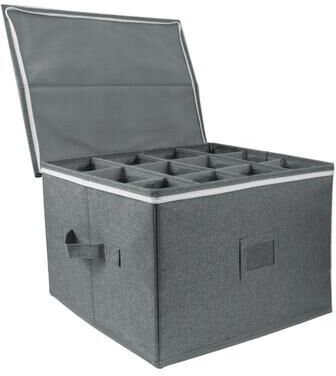
Inspired Deals Foldable Wine Glass Storage Box, Stemmed Glass Storage Organizer Grey Protective Case Foldable Wine Glass Storage Box, Stemmed Glass Storage Organizer Grey Protective CaseYour delicate glassware deserves more than a random cupboard shelf or flimsy cardboard box. The Foldable Wine Glass Storage Box is designed to bring order, protection, and peace of mind to your home storage routine. Ideal for homeowners, holiday...139,97 $*Shipping: 0,00 $Secure redirect to the provider
-
Perfect Picks Market Portable Toothbrush Holder Box Travel Camping Toothbrush Storage Organizer Case With Toothpaste Holder pinkKeep your essentials neat and accessible with the Portable Toothbrush Holder Box. Ideal for frequent travelers and campers, this compact storage case organizes your toothbrush and toothpaste in a secure, hygienic manner. Made from transparent...29,97 $*Shipping: 0,00 $Secure redirect to the provider
-
What is a habitat for an aquarium?
A habitat for an aquarium is a carefully designed environment that mimics the natural living conditions of the aquatic species being housed. It includes elements such as water quality, temperature, lighting, plants, rocks, and hiding spots to ensure the health and well-being of the fish or other aquatic animals. Creating a suitable habitat is essential for the inhabitants to thrive and exhibit their natural behaviors. Regular maintenance and monitoring of the habitat are also crucial to keep the aquarium ecosystem stable. **
-
How have crocodiles adapted to their habitat?
Crocodiles have adapted to their habitat in several ways. Their streamlined bodies and webbed feet help them move swiftly through water, making them efficient hunters. Their ability to regulate their body temperature by basking in the sun or cooling off in the water allows them to thrive in a range of environments. Their powerful jaws and sharp teeth are well-suited for catching and consuming prey, making them top predators in their ecosystems. **
-
Will grass snakes colonize this new habitat?
It is possible that grass snakes may colonize the new habitat if it provides suitable conditions for their survival, such as food sources, shelter, and suitable climate. Grass snakes are known to adapt to a variety of habitats, including grasslands, wetlands, and forests, so they may be able to establish a population in the new habitat if these requirements are met. However, other factors such as competition with existing species and human disturbances could also impact their ability to colonize the area. **
-
What biotic factors characterize the desert habitat?
Biotic factors in the desert habitat include a variety of plant species that have adapted to the arid conditions, such as cacti, succulents, and drought-resistant shrubs. In addition, desert habitats are home to a diverse range of animal species, including reptiles like snakes and lizards, mammals like coyotes and kangaroo rats, and birds like roadrunners and owls. These biotic factors have evolved to survive in the harsh desert environment, often with specialized adaptations for conserving water and finding food in the sparse landscape. **
* All prices are inclusive of VAT and, if applicable, plus shipping costs. The offer information is based on the details provided by the respective shop and is updated through automated processes. Real-time updates do not occur, so deviations can occur in individual cases. ** Note: Parts of this content were created by AI.