Buy penisforstoringse.eu ?
We are moving the project
penisforstoringse.eu .
Are you interested in purchasing the domain
penisforstoringse.eu ?
domain@kv-gmbh.de · 0541-91531010
Buy penisforstoringse.eu ?
What is the difference between source criticism, source analysis, and source interpretation?
Source criticism involves evaluating the reliability and credibility of a source, considering factors such as the author's bias, the source's purpose, and the context in which it was created. Source analysis involves examining the content and structure of a source to understand its main arguments, evidence, and underlying assumptions. Source interpretation goes a step further by interpreting the meaning and significance of the source within its historical, cultural, and social context, and considering how it contributes to our understanding of a particular topic or period. In summary, source criticism focuses on the source's reliability, source analysis focuses on its content and structure, and source interpretation focuses on its meaning and significance. **
Isn't a power source also a voltage source?
A power source and a voltage source are related but not the same. A power source is a device that provides electrical energy to a circuit, while a voltage source is a specific type of power source that maintains a constant voltage across its terminals. In other words, all voltage sources are power sources, but not all power sources are voltage sources. For example, a battery is a power source that can provide a constant voltage (making it a voltage source), but a generator is a power source that can provide varying voltages depending on the load (making it a non-constant voltage source). **


Similar search terms for Source
Top-Angebote
Products related to Source:
-
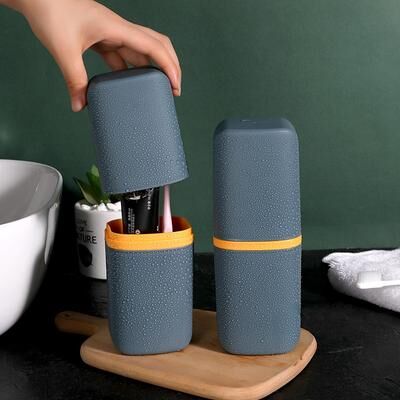
Perfect Picks Market Portable Travel Toothbrush Case & Holder Transparent Organizer Box Portable Travel Toothbrush Case & Holder Transparent Organizer BoxStep into a new level of clean and convenience with this versatile toothbrush travel case designed for everyday life and adventure. Ideal for frequent travelers, commuters, students, and families, this compact organizer keeps your dental essentials...31,97 $*Shipping: 0,00 $Secure redirect to the provider
-
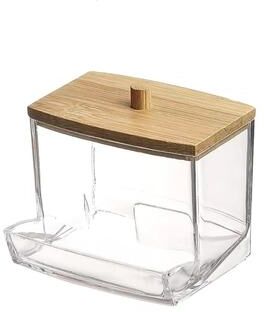
Inspire Essentials Clear Cotton Swab Organizer Box Dental Floss Storage Case Dustproof Container transparent 1pcSmall items can quickly create big clutter. This sleek cotton swab organizer box keeps your everyday essentials clean, visible, and easy to access. Designed for modern homes, it protects items from dust and moisture while maintaining a clean and...34,98 $*Shipping: 0,00 $Secure redirect to the provider
-
Perfect Picks Market Portable Toothbrush Holder Box Travel Camping Toothbrush Storage Organizer Case With Toothpaste Holder pinkKeep your essentials neat and accessible with the Portable Toothbrush Holder Box. Ideal for frequent travelers and campers, this compact storage case organizes your toothbrush and toothpaste in a secure, hygienic manner. Made from transparent...29,97 $*Shipping: 0,00 $Secure redirect to the provider


-
How do you cite a source within a source?
When citing a source within a source, you should use the phrase "as cited in" in your in-text citation. For example, if you are citing a quote from Smith's work that was also cited in Johnson's work, your in-text citation would look like this: (Smith, as cited in Johnson, year). In your reference list, you would only include the source that you actually read (in this case, Johnson's work). **
-
How do I cite a source within another source?
When you need to cite a source that you found quoted in another source, you should try to locate the original source and cite it directly. However, if you are unable to access the original source, you can use a format called "indirect source" or "secondary source" citation. In this case, you would cite the source you have actually read, followed by "as cited in" and then the source where you found the information. For example: (Smith, 2010, as cited in Jones, 2015). It's important to note that you should only use this method when you are unable to access the original source. **
-
What is a voltage source or electricity source in physics?
A voltage source, also known as an electricity source, is a device that provides a constant voltage to an electrical circuit. It is responsible for creating a potential difference that drives the flow of electric current through the circuit. Voltage sources can be either direct current (DC) or alternating current (AC), and they are essential components in powering electrical devices and systems. In physics, voltage sources are represented by symbols such as a battery or power supply, and they play a crucial role in understanding and analyzing electrical circuits and systems. **
-
What is the ideal voltage source for a current source?
The ideal voltage source for a current source is one that can provide a constant voltage regardless of the load connected to it. This means that the voltage source should have very low internal resistance and be able to maintain a constant voltage output even when the current drawn from it changes. In other words, the ideal voltage source for a current source should be able to provide a stable and constant voltage to ensure that the current source operates as intended. **


Is a translation of a primary source still a primary source?
Yes, a translation of a primary source can still be considered a primary source. While the language may change, the content and original meaning of the source remain intact. Translations allow for wider access to primary sources and can provide valuable insights into different cultural and historical perspectives. However, it is important to consider the potential impact of translation on the interpretation of the source and to acknowledge any potential biases introduced in the process. **
What is a power source and what is a voltage source?
A power source is a device or system that provides electrical energy to a circuit or device. It can be a battery, generator, solar panel, or any other source of electrical energy. A voltage source, on the other hand, is a specific type of power source that maintains a constant voltage output regardless of the current drawn from it. This means that a voltage source will provide a consistent voltage level to a circuit, ensuring that the devices connected to it receive the required voltage for proper operation. **
Top-Angebote
Products related to Source:
-
Uplift Picks Transparent Toothbrush Case Portable Toothbrush Holder Storage Container Transparent Toothbrush Case Portable Toothbrush Holder Storage ContainerKeeping your oral care essentials clean and organized shouldnt be complicated. This toothbrush case offers a simple, hygienic way to store your toothbrush and toothpaste at home or on the go. Designed with a clear body, it lets you see contents at a...24,50 $*Shipping: 0,00 $Secure redirect to the provider
-
Perfect Picks Market Portable Travel Toothbrush Case & Holder Transparent Organizer Box Portable Travel Toothbrush Case & Holder Transparent Organizer BoxStep into a new level of clean and convenience with this versatile toothbrush travel case designed for everyday life and adventure. Ideal for frequent travelers, commuters, students, and families, this compact organizer keeps your dental essentials...31,97 $*Shipping: 0,00 $Secure redirect to the provider
-
Inspire Essentials Clear Cotton Swab Organizer Box Dental Floss Storage Case Dustproof Container transparent 1pcSmall items can quickly create big clutter. This sleek cotton swab organizer box keeps your everyday essentials clean, visible, and easy to access. Designed for modern homes, it protects items from dust and moisture while maintaining a clean and...34,98 $*Shipping: 0,00 $Secure redirect to the provider
-
What is the difference between source criticism, source analysis, and source interpretation?
Source criticism involves evaluating the reliability and credibility of a source, considering factors such as the author's bias, the source's purpose, and the context in which it was created. Source analysis involves examining the content and structure of a source to understand its main arguments, evidence, and underlying assumptions. Source interpretation goes a step further by interpreting the meaning and significance of the source within its historical, cultural, and social context, and considering how it contributes to our understanding of a particular topic or period. In summary, source criticism focuses on the source's reliability, source analysis focuses on its content and structure, and source interpretation focuses on its meaning and significance. **
-
Isn't a power source also a voltage source?
A power source and a voltage source are related but not the same. A power source is a device that provides electrical energy to a circuit, while a voltage source is a specific type of power source that maintains a constant voltage across its terminals. In other words, all voltage sources are power sources, but not all power sources are voltage sources. For example, a battery is a power source that can provide a constant voltage (making it a voltage source), but a generator is a power source that can provide varying voltages depending on the load (making it a non-constant voltage source). **
-
How do you cite a source within a source?
When citing a source within a source, you should use the phrase "as cited in" in your in-text citation. For example, if you are citing a quote from Smith's work that was also cited in Johnson's work, your in-text citation would look like this: (Smith, as cited in Johnson, year). In your reference list, you would only include the source that you actually read (in this case, Johnson's work). **
-
How do I cite a source within another source?
When you need to cite a source that you found quoted in another source, you should try to locate the original source and cite it directly. However, if you are unable to access the original source, you can use a format called "indirect source" or "secondary source" citation. In this case, you would cite the source you have actually read, followed by "as cited in" and then the source where you found the information. For example: (Smith, 2010, as cited in Jones, 2015). It's important to note that you should only use this method when you are unable to access the original source. **
Similar search terms for Source
-
Perfect Picks Market Portable Toothbrush Holder Box Travel Camping Toothbrush Storage Organizer Case With Toothpaste Holder pinkKeep your essentials neat and accessible with the Portable Toothbrush Holder Box. Ideal for frequent travelers and campers, this compact storage case organizes your toothbrush and toothpaste in a secure, hygienic manner. Made from transparent...29,97 $*Shipping: 0,00 $Secure redirect to the provider
-
Lite Source Gwen Table Lamp Gold , GoldBe sure to take a look at the modern display of stacked square designs on the Gwen Table Lamp. This table lamp has textured glass square designs in gold, metal accents with a stainless steel finish, and an interior nightlight. The fabric shade is...249,99 $*Shipping: 0,00 $Secure redirect to the provider
-
Perfect Picks Market Portable Toothbrush Holder Box Travel Camping Toothbrush Storage Organizer Case With Toothpaste Holder greenKeep your essentials neat and accessible with the Portable Toothbrush Holder Box. Ideal for frequent travelers and campers, this compact storage case organizes your toothbrush and toothpaste in a secure, hygienic manner. Made from transparent...29,97 $*Shipping: 0,00 $Secure redirect to the provider
-
What is a voltage source or electricity source in physics?
A voltage source, also known as an electricity source, is a device that provides a constant voltage to an electrical circuit. It is responsible for creating a potential difference that drives the flow of electric current through the circuit. Voltage sources can be either direct current (DC) or alternating current (AC), and they are essential components in powering electrical devices and systems. In physics, voltage sources are represented by symbols such as a battery or power supply, and they play a crucial role in understanding and analyzing electrical circuits and systems. **
-
What is the ideal voltage source for a current source?
The ideal voltage source for a current source is one that can provide a constant voltage regardless of the load connected to it. This means that the voltage source should have very low internal resistance and be able to maintain a constant voltage output even when the current drawn from it changes. In other words, the ideal voltage source for a current source should be able to provide a stable and constant voltage to ensure that the current source operates as intended. **
-
Is a translation of a primary source still a primary source?
Yes, a translation of a primary source can still be considered a primary source. While the language may change, the content and original meaning of the source remain intact. Translations allow for wider access to primary sources and can provide valuable insights into different cultural and historical perspectives. However, it is important to consider the potential impact of translation on the interpretation of the source and to acknowledge any potential biases introduced in the process. **
-
What is a power source and what is a voltage source?
A power source is a device or system that provides electrical energy to a circuit or device. It can be a battery, generator, solar panel, or any other source of electrical energy. A voltage source, on the other hand, is a specific type of power source that maintains a constant voltage output regardless of the current drawn from it. This means that a voltage source will provide a consistent voltage level to a circuit, ensuring that the devices connected to it receive the required voltage for proper operation. **
* All prices are inclusive of VAT and, if applicable, plus shipping costs. The offer information is based on the details provided by the respective shop and is updated through automated processes. Real-time updates do not occur, so deviations can occur in individual cases. ** Note: Parts of this content were created by AI.