Buy penisforstoringse.eu ?
We are moving the project
penisforstoringse.eu .
Are you interested in purchasing the domain
penisforstoringse.eu ?
domain@kv-gmbh.de · 0541-91531010
Buy penisforstoringse.eu ?
Are paramecia animal or plant single-celled organisms?
Paramecia are single-celled organisms that belong to the kingdom Protista. They are considered to be animal-like protists because they are heterotrophic, meaning they obtain their nutrients by ingesting other organisms. Paramecia are not considered to be plants because they do not perform photosynthesis and do not have cell walls made of cellulose. Instead, they have cilia for movement and feed on bacteria and other small organisms. **
How does nutrition and digestion occur in paramecia?
Paramecia obtain nutrition through phagocytosis, where they engulf food particles such as bacteria or algae using their cilia. Once the food particles are inside the paramecium, they are enclosed in a food vacuole. Digestive enzymes are then secreted into the food vacuole to break down the food particles into smaller molecules. These nutrients are then absorbed by the paramecium for energy and growth. Any undigested material is expelled from the cell through a process called exocytosis. **

Similar search terms for Paramecia
Top-Angebote
Products related to Paramecia:
-
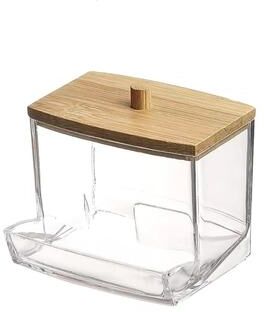
Inspire Essentials Clear Cotton Swab Organizer Box Dental Floss Storage Case Dustproof Container transparent 1pcSmall items can quickly create big clutter. This sleek cotton swab organizer box keeps your everyday essentials clean, visible, and easy to access. Designed for modern homes, it protects items from dust and moisture while maintaining a clean and...34,98 $*Shipping: 0,00 $Secure redirect to the provider
-
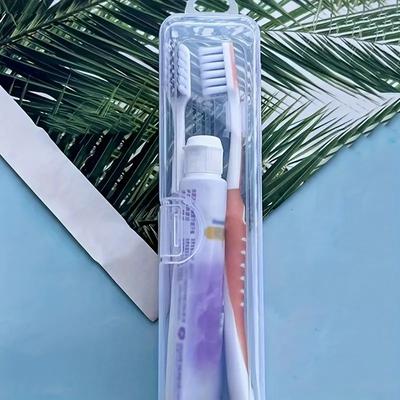
Perfect Picks Market Portable Toothbrush Holder Box Travel Camping Toothbrush Storage Organizer Case With Toothpaste Holder pinkKeep your essentials neat and accessible with the Portable Toothbrush Holder Box. Ideal for frequent travelers and campers, this compact storage case organizes your toothbrush and toothpaste in a secure, hygienic manner. Made from transparent...29,97 $*Shipping: 0,00 $Secure redirect to the provider
-
Useful Little Things Luxury Tissue Box Holder Decorative Napkin Storage Organizer Luxury Tissue Box Holder Decorative Napkin Storage OrganizerAdd a touch of elegance to any room with this Decorative Tissue Box Holder. Designed with a modern electroplated finish, this stylish organizer transforms ordinary tissue storage into a sophisticated home accent. Its sleek rectangular design keeps...49,97 $*Shipping: 0,00 $Secure redirect to the provider
-
Multicon Wholesale Hub Eyewear & Accessory Organizer Glasses Display Case & Watch Storage Box Eyewear & Accessory Organizer Glasses Display Case & Watch Storage BoxTired of hunting for the right pair in a cluttered drawer every morning This elegant 4tier eyeglass organizer brings calm and clarity to your daily routine by neatly housing your favorite pairs in one place. Designed for sunglass and everyday...169,97 $*Shipping: 0,00 $Secure redirect to the provider


-
What does the competition look like for paramecia?
The competition for paramecia is primarily with other microorganisms in their environment, such as bacteria and other protozoa. They compete for resources such as food and living space. Paramecia use their cilia to move and feed on bacteria and other small organisms, and they also reproduce rapidly, allowing them to outcompete other microorganisms for resources. Additionally, paramecia may also face competition from predators such as other protozoa, small crustaceans, and even some types of algae. **
-
What can be observed with a microscope in paramecia?
With a microscope, one can observe the cilia that paramecia use for movement, as well as their characteristic slipper-like shape. Additionally, the nucleus, contractile vacuoles, and food vacuoles within the paramecia can be seen under a microscope. Observing paramecia under a microscope can also reveal their feeding behavior, as they engulf food particles through a process called phagocytosis. **
-
How does the nutrition and digestion occur in paramecia?
Paramecia obtain nutrition through phagocytosis, where they engulf food particles such as bacteria, algae, and other organic matter. Once inside the cell, the food vacuole containing the engulfed particles fuses with lysosomes, where digestion occurs. Enzymes within the lysosomes break down the food particles into smaller molecules, which are then absorbed and utilized by the paramecium for energy and growth. Waste products are expelled from the cell through a specialized structure called the anal pore. **
-
What is the ecology of paramecia and yeast cells?
Paramecia are single-celled organisms that are found in freshwater environments. They are heterotrophic, meaning they feed on bacteria and other small organisms. Paramecia play a role in the ecosystem by helping to control bacterial populations and serving as a food source for larger organisms. Yeast cells are also single-celled organisms that are found in various environments, including soil, plants, and the human body. They are important in the process of fermentation, which is used in the production of bread, beer, and wine. Yeast cells also play a role in the decomposition of organic matter and are a food source for other organisms in the ecosystem. **


Why do some paramecia not have a pulsating vacuole?
Some paramecia do not have a pulsating vacuole because they may live in environments with stable water conditions, such as freshwater ponds or slow-moving streams, where they do not need to actively regulate their water balance. Additionally, some species of paramecia may have evolved alternative mechanisms for maintaining water balance, such as specialized contractile vacuoles or other cellular structures. The absence of a pulsating vacuole in certain paramecia may also be a result of genetic variation and adaptation to specific ecological niches. **
Why do paramecia in the sea not have pulsating vacuoles?
Paramecia in the sea do not have pulsating vacuoles because they do not need them to regulate water balance. In a marine environment, the concentration of salt outside the cell is similar to that inside the cell, so there is no need for the paramecia to actively pump out excess water. Pulsating vacuoles are more commonly found in freshwater paramecia, where they help regulate water balance by pumping out excess water that enters the cell due to osmosis. **
Top-Angebote
Products related to Paramecia:
-
Uplift Picks Transparent Toothbrush Case Portable Toothbrush Holder Storage Container Transparent Toothbrush Case Portable Toothbrush Holder Storage ContainerKeeping your oral care essentials clean and organized shouldnt be complicated. This toothbrush case offers a simple, hygienic way to store your toothbrush and toothpaste at home or on the go. Designed with a clear body, it lets you see contents at a...24,50 $*Shipping: 0,00 $Secure redirect to the provider
-
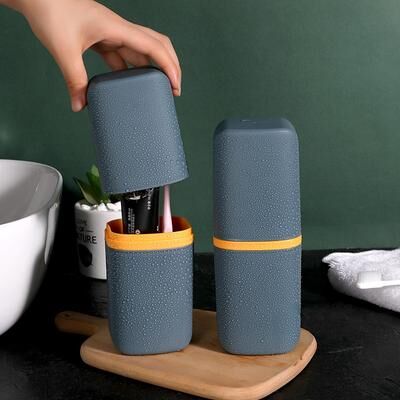
Perfect Picks Market Portable Travel Toothbrush Case & Holder Transparent Organizer Box Portable Travel Toothbrush Case & Holder Transparent Organizer BoxStep into a new level of clean and convenience with this versatile toothbrush travel case designed for everyday life and adventure. Ideal for frequent travelers, commuters, students, and families, this compact organizer keeps your dental essentials...31,97 $*Shipping: 0,00 $Secure redirect to the provider
-
Inspire Essentials Clear Cotton Swab Organizer Box Dental Floss Storage Case Dustproof Container transparent 1pcSmall items can quickly create big clutter. This sleek cotton swab organizer box keeps your everyday essentials clean, visible, and easy to access. Designed for modern homes, it protects items from dust and moisture while maintaining a clean and...34,98 $*Shipping: 0,00 $Secure redirect to the provider
-
Perfect Picks Market Portable Toothbrush Holder Box Travel Camping Toothbrush Storage Organizer Case With Toothpaste Holder pinkKeep your essentials neat and accessible with the Portable Toothbrush Holder Box. Ideal for frequent travelers and campers, this compact storage case organizes your toothbrush and toothpaste in a secure, hygienic manner. Made from transparent...29,97 $*Shipping: 0,00 $Secure redirect to the provider
-
Are paramecia animal or plant single-celled organisms?
Paramecia are single-celled organisms that belong to the kingdom Protista. They are considered to be animal-like protists because they are heterotrophic, meaning they obtain their nutrients by ingesting other organisms. Paramecia are not considered to be plants because they do not perform photosynthesis and do not have cell walls made of cellulose. Instead, they have cilia for movement and feed on bacteria and other small organisms. **
-
How does nutrition and digestion occur in paramecia?
Paramecia obtain nutrition through phagocytosis, where they engulf food particles such as bacteria or algae using their cilia. Once the food particles are inside the paramecium, they are enclosed in a food vacuole. Digestive enzymes are then secreted into the food vacuole to break down the food particles into smaller molecules. These nutrients are then absorbed by the paramecium for energy and growth. Any undigested material is expelled from the cell through a process called exocytosis. **
-
What does the competition look like for paramecia?
The competition for paramecia is primarily with other microorganisms in their environment, such as bacteria and other protozoa. They compete for resources such as food and living space. Paramecia use their cilia to move and feed on bacteria and other small organisms, and they also reproduce rapidly, allowing them to outcompete other microorganisms for resources. Additionally, paramecia may also face competition from predators such as other protozoa, small crustaceans, and even some types of algae. **
-
What can be observed with a microscope in paramecia?
With a microscope, one can observe the cilia that paramecia use for movement, as well as their characteristic slipper-like shape. Additionally, the nucleus, contractile vacuoles, and food vacuoles within the paramecia can be seen under a microscope. Observing paramecia under a microscope can also reveal their feeding behavior, as they engulf food particles through a process called phagocytosis. **
Similar search terms for Paramecia
-
Useful Little Things Luxury Tissue Box Holder Decorative Napkin Storage Organizer Luxury Tissue Box Holder Decorative Napkin Storage OrganizerAdd a touch of elegance to any room with this Decorative Tissue Box Holder. Designed with a modern electroplated finish, this stylish organizer transforms ordinary tissue storage into a sophisticated home accent. Its sleek rectangular design keeps...49,97 $*Shipping: 0,00 $Secure redirect to the provider
-
Multicon Wholesale Hub Eyewear & Accessory Organizer Glasses Display Case & Watch Storage Box Eyewear & Accessory Organizer Glasses Display Case & Watch Storage BoxTired of hunting for the right pair in a cluttered drawer every morning This elegant 4tier eyeglass organizer brings calm and clarity to your daily routine by neatly housing your favorite pairs in one place. Designed for sunglass and everyday...169,97 $*Shipping: 0,00 $Secure redirect to the provider
-
Drop Dash Deals Premium Watch Organizer Box Travel Ready Watch Storage Case & Watch Display Case Premium Watch Organizer Box Travel Ready Watch Storage Case & Watch Display CaseTurn cluttered drawers into a polished showcase with this 1 pc of premium watch storage case for collectors and everyday wearers alike. Designed to hold up to 15 of your favorite timepieces securely, this stylish and durable watch display case...139,97 $*Shipping: 0,00 $Secure redirect to the provider
-
Perfect Picks Market Portable Toothbrush Holder Box Travel Camping Toothbrush Storage Organizer Case With Toothpaste Holder greenKeep your essentials neat and accessible with the Portable Toothbrush Holder Box. Ideal for frequent travelers and campers, this compact storage case organizes your toothbrush and toothpaste in a secure, hygienic manner. Made from transparent...29,97 $*Shipping: 0,00 $Secure redirect to the provider
-
How does the nutrition and digestion occur in paramecia?
Paramecia obtain nutrition through phagocytosis, where they engulf food particles such as bacteria, algae, and other organic matter. Once inside the cell, the food vacuole containing the engulfed particles fuses with lysosomes, where digestion occurs. Enzymes within the lysosomes break down the food particles into smaller molecules, which are then absorbed and utilized by the paramecium for energy and growth. Waste products are expelled from the cell through a specialized structure called the anal pore. **
-
What is the ecology of paramecia and yeast cells?
Paramecia are single-celled organisms that are found in freshwater environments. They are heterotrophic, meaning they feed on bacteria and other small organisms. Paramecia play a role in the ecosystem by helping to control bacterial populations and serving as a food source for larger organisms. Yeast cells are also single-celled organisms that are found in various environments, including soil, plants, and the human body. They are important in the process of fermentation, which is used in the production of bread, beer, and wine. Yeast cells also play a role in the decomposition of organic matter and are a food source for other organisms in the ecosystem. **
-
Why do some paramecia not have a pulsating vacuole?
Some paramecia do not have a pulsating vacuole because they may live in environments with stable water conditions, such as freshwater ponds or slow-moving streams, where they do not need to actively regulate their water balance. Additionally, some species of paramecia may have evolved alternative mechanisms for maintaining water balance, such as specialized contractile vacuoles or other cellular structures. The absence of a pulsating vacuole in certain paramecia may also be a result of genetic variation and adaptation to specific ecological niches. **
-
Why do paramecia in the sea not have pulsating vacuoles?
Paramecia in the sea do not have pulsating vacuoles because they do not need them to regulate water balance. In a marine environment, the concentration of salt outside the cell is similar to that inside the cell, so there is no need for the paramecia to actively pump out excess water. Pulsating vacuoles are more commonly found in freshwater paramecia, where they help regulate water balance by pumping out excess water that enters the cell due to osmosis. **
* All prices are inclusive of VAT and, if applicable, plus shipping costs. The offer information is based on the details provided by the respective shop and is updated through automated processes. Real-time updates do not occur, so deviations can occur in individual cases. ** Note: Parts of this content were created by AI.